
Field sales attrition in Indian agri input companies runs at 25 to 35 percent annually. For a company with 200 field officers, that means replacing 50 to 70 people every year, each carrying months of territory intelligence that was never formally captured. The good news is that this is a solvable problem. It does not require fixing attrition. It requires changing where the knowledge lives.
A field officer who has worked a territory for 18 months knows:
- Which farmers are early adopters whose decisions influence others in the village
- Who buys on credit, who needs a demo, who buys early in the season
- Which retailer influences 40 farmers around him
- What was promised in the last visit that nobody formally closed
This intelligence is the foundation of effective field sales. The opportunity lies in making it an organisational asset rather than an individual one.
Capturing Intelligence at the Point of It Happening
The best field data is captured in the moment, at the farm, during the conversation, before the next visit begins. Getting there consistently is less about asking more of field officers and more about giving them a tool that makes capturing easier than not capturing.
Krishify’s FO App is built around this principle:
- Customisable Activity Modules – each visit type (advisory, demo, sampling, complaint) has its own configured form with relevant fields and geo-tagged photo capture
- Dynamic Forms – configurable by crop, region, and season with no development dependency
- Pre-populated Farmer Profiles – the FO arrives at every visit with full history on screen, adding one layer to a record that already exists
- AI-Powered Route Planning – routes auto-generated from activity targets and farmer segmentation, so the FO knows not just where to go but why
Geo-tag and timestamp are captured automatically. Data capture becomes part of the visit itself, not a task that follows it.
What the Incoming FO Inherits on Day One
When a new FO joins the territory, he opens the app and finds a Unified Farmer View built from every previous interaction, visit history, complaints, crop and plot data, purchase behaviour, and pending follow-ups. His first calls are informed calls:
- A farmer waiting on a complaint gets a follow-up, not a reintroduction
- High-value dormant farmers are flagged and prioritised automatically
- His daily task list is AI-ranked by urgency, no defaulting to easy visits on day one
The ramp-up period compresses because the relationship context is already there.
What the Manager Sees Throughout
The Data CRM dashboard does not change when the FO does. Across every transition, managers have:
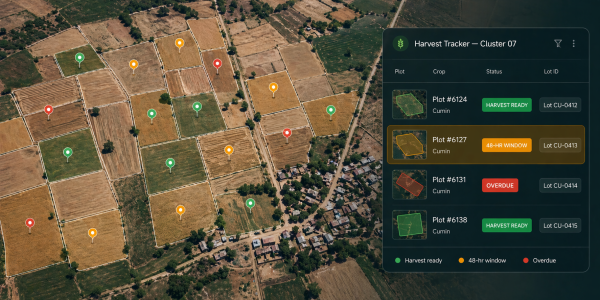
- Live FO tracking with anomaly detection flagging location mismatches and irregular patterns
- Overdue follow-ups and pending retailer visits flagged in real time
- Full territory task queue transferable on the day of reassignment
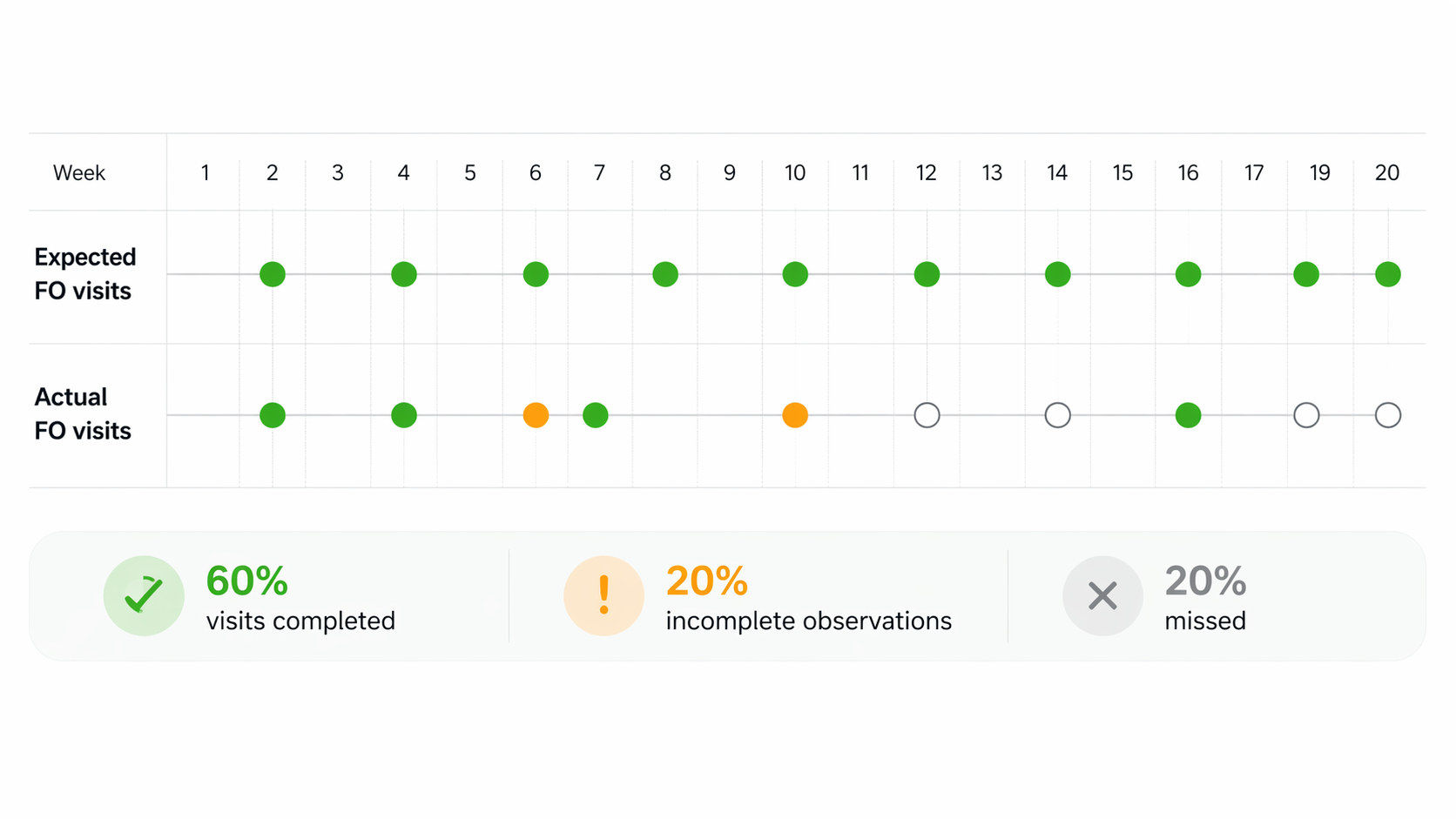
- Geo-fenced performance reports showing what actually happened, not what was reported
Attrition will remain a feature of frontline agri sales. But its impact on territory performance and customer relationships no longer has to be. Every visit logged, every interaction captured, every farmer profile enriched, it all stays in the system when the FO doesn’t.